Saving & Sharing Seeds
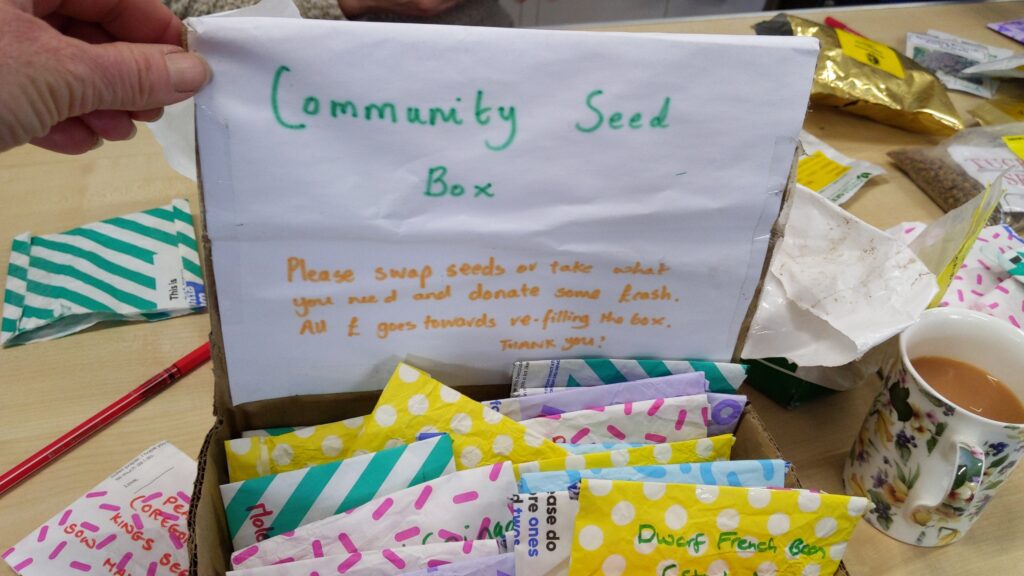
- Save money on buying seeds and help new growers in the community get started with growing in an affordable way.
- Preserve genetic diversity to help the fight against the huge loss of traditional seed varieties.
- Replant vegetables that grow well in your area – every area has it’s own unique growing conditions and certain varieties grow better in some areas than others.
- Flavour of various varieties of vegetable makes a huge difference. Find and save the seeds of your favourite flavour of vegetables.
- Reduce and remove the dependency on the stocks of seed companies.
- Ensure that seed stocks remain independent and protected from contamination in an era of increasing corporate consolidation of the seed industry, as well as threats of genetically engineered (GE) contamination and climate change.
- Saving and sharing seeds fosters a strong local food system rooted in regenerative agriculture principles.

Would you like to participate in a local seed circle? 🌱
If all the local growers committed to saving some of their seeds, then towards the end of the year we could share what we have saved with each other.
If you’re interested in joining up in St Ives Seed Circle, contact Jo Riley via her instagram page or contact us.
Jo is a passionate seed saver & sharer – click here to read her seed saving article on how she saves and shares seeds.
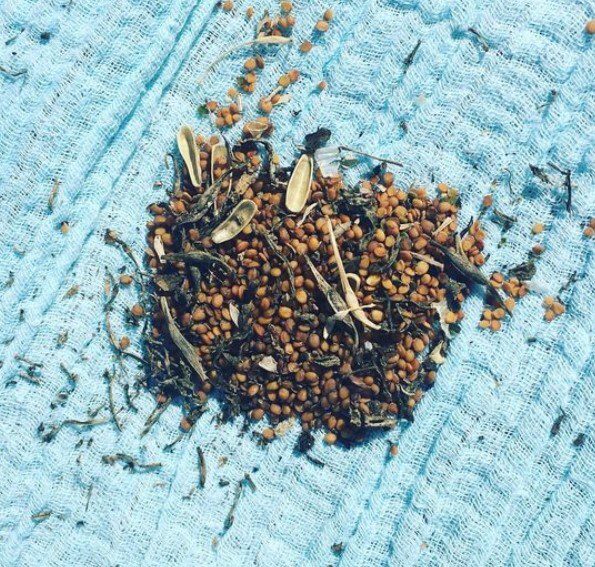
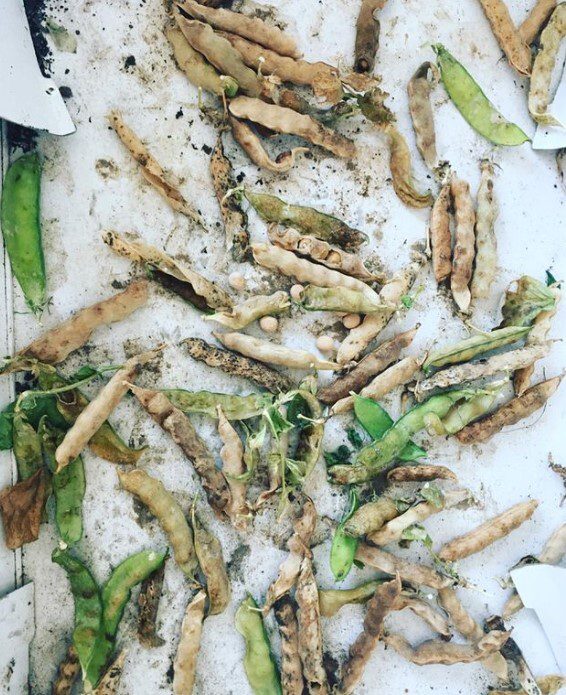
- Ideally you shouldn’t save seeds from plants that have grown from F1 seeds as they won’t breed true to type. The offspring may be a weak plant, with different characteristics to the parent plant. More info here: https://www.rhs.org.uk/vegetables/f1-hybrids
- Always dry the seeds out thoroughly, in a sunny spot in the house.
- Store them in jars (spice jars are good) envelopes or make little packets using pages of a magazine.
- Remember to label your seed with the variety and date of storage
- Store them in a cool, dry, dark place, which means they will keep for as long as possible.
- Plants that self-pollinate are the easiest plants to start saving seeds from. It means when they pollinate and produce seed they don’t cross with other varieties or other species….so you know the seeds produced will produce the same plant when sown. Good examples of these are peas and tomatoes.
- Peas: Leave some pods to stay on the vine longer, until they are dried out by the sun then remove the peas.
- Tomatoes: Remove some of the seeds from the tomatoes and dry out on kitchen paper. It’s advisable to rinse the seeds to remove some of the gel from around the seeds. You can keep them on the kitchen paper and plant this directly into the ground.
- Kale & Rocket plants: Leave them to produce flowers which eventually turn to seeds. Leave these on the plant until they look fully swelled and have started to dry out on the plant. Then bring inside and leave to dry before opening each pod and collecting the individual seeds.
Find out More
Read ‘Back Garden Seed Saving‘ by Sue Stickland and
‘Vandana Shiva – Creative Civil Disobedience‘ by Lionel Astruc
www.pbs.org/banking-on-seeds-rare-diverse-and-endangered/
https://vitalseeds.co.uk/growing-resources/seed-saving-resources/
https://treecouncil.org.uk/take-action/campaign-with-us/seed-gathering-season/
https://www.incredibleedible.org.uk/news/why-seed-saving-is-important-to-incredible-edible/
www.modernfarmer.com/seed-diversity-7-reasons-it-is-important/